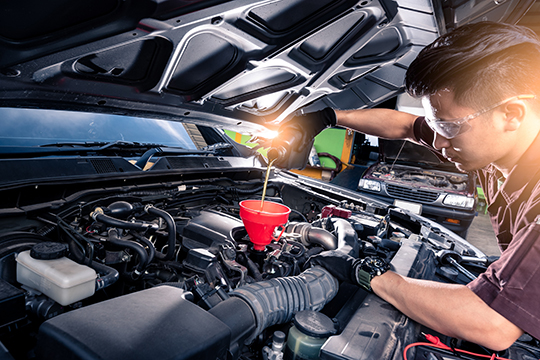
Why regular oil changes are essential
An engine oil change is one of the most important maintenance tasks for protecting your vehicle. Engine oil lubricates moving components, reduces friction, manages heat and prevents premature wear. Over time, oil degrades and becomes contaminated, reducing its ability to safeguard the engine. A professional oil change helps maintain efficiency, reliability and long-term performance.
How engine oil works
Engine oil circulates through the engine, creating a protective film between metal parts. This film reduces friction, limits heat build-up and helps prevent corrosion. Clean oil also carries away dirt and microscopic particles that could otherwise damage internal components.
The impact of driving conditions on oil quality
Short journeys, stop-start traffic, towing and high-speed motorway driving can all accelerate oil degradation. Cold starts are particularly demanding, as oil needs time to reach optimal viscosity. Regular oil checks help counteract these effects and reduce long-term engine stress.
Book an oil change near you
Don’t wait until you start noticing problems with your vehicle. Use our store locator to find your nearest First Stop centre and schedule your first oil change with us.
When should you book an oil change?
Manufacturers recommend oil changes based on mileage or time intervals, but real-world driving habits vary. If oil remains in the engine for too long, lubrication efficiency and fuel economy may decline. Routine servicing helps ensure oil is replaced at the right time.
Warning signs your oil needs changing
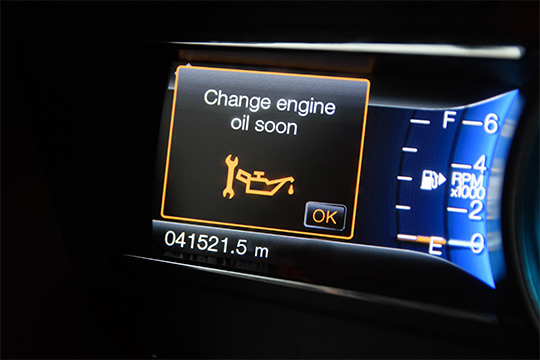
Darker oil, increased engine noise, reduced fuel efficiency or dashboard warning lights can indicate that oil is no longer performing effectively. Addressing these signs early helps prevent avoidable engine damage.
What happens during a First Stop oil change
During an oil change at First Stop, technicians drain the old oil, replace the oil filter and refill the engine with manufacturer-approved oil. The service also includes checks for leaks and confirmation that oil levels meet vehicle specifications.
Choosing the right oil for your vehicle
Different engines require specific oil grades and formulations. Using the correct oil supports efficiency, protects components and helps maintain emission control systems. Our technicians ensure the right oil is used for your vehicle.
Oil change and overall vehicle maintenance
An oil change works best when combined with other routine maintenance services such as car servicing, MOT testing, brake pad replacement, battery checks and air conditioning servicing.
Oil changes and everyday driving confidence
Fresh engine oil supports smooth operation, improved fuel economy and reliable performance. Regular oil changes reduce the risk of unexpected breakdowns and help your vehicle perform consistently.
Why choose First Stop for your oil change
First Stop offers experienced technicians, quality oils and transparent pricing across a nationwide network. Clear explanations help you make informed decisions about maintaining your vehicle.
Express Maintenance Plan
- Change of oil 10W40
- Oil filter
- Check levels
- Safety check: brakes, tyres, shock absorbers
- Vehicle inspection report
Premium Maintenance Plan
- Everything included in the Express maintenance plan
- Air filter
Excellent Maintenance Plan
- Everything included in the Premium maintenance plan
- Fuel filter
Remember that staying on top of regular maintenance like oil changes and car servicing -as well as annual MOT testing- helps to keep your car running well and can prevent larger, more expensive problems down the road. For an exact price and to book an oil change, contact your nearest First Stop.
Different types of engine oil
Understanding the differences between engine oil types is key to effective engine maintenance.
- Fully synthetic oil:
- Offers superior engine protection and performance, particularly under extreme conditions and varying temperatures, making it suitable for high-performance and modern engines.
- Synthetic blend oil:
- A hybrid of synthetic and conventional oils, the synthetic blend provides improved protection and performance over conventional oil, offering a cost-effective compromise.
- Conventional oil:
- Often used for older vehicle models, conventional oil provides reliable protection and sufficient performance under normal driving conditions.
Choosing the right oil involves considering your vehicle's age, your driving patterns, and manufacturer recommendations. Always consult your vehicle’s manual or a First Stop professional for tailored advice.
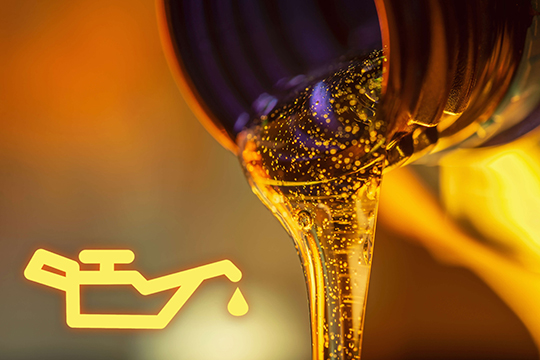
When should I change my oil and filter?
Normally, you should change your engine oil once a year or according to the mileage below. If you make lots of short trips, it might be better to do it more often. Likewise, if your vehicle is rarely used, you can schedule oil changes less frequently.
- For vehicles made before 2000, every 5,000 to 10,000 miles
- For vehicles made after 2000, every 10,000 to 20,000 miles
We also recommend you check the oil level at least once a month or every 1,000 miles to ensure it has not risen above the maximum level or fallen below the minimum.
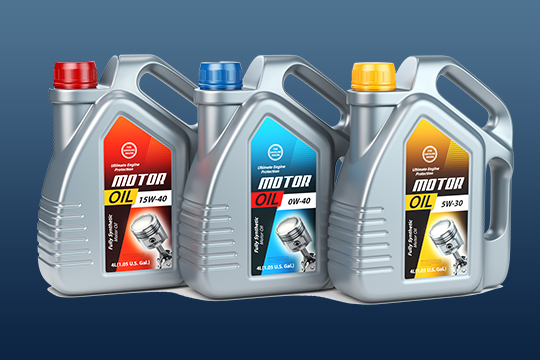
It is very important to use the type of oil recommended by the manufacturer. If you follow these guidelines, you will avoid damage to the engine, premature wear, excess fuel consumption, and damage to other parts.
How long does an oil change take?
At First Stop, we value your time and strive to get you back on the road as promptly as possible without compromising on the quality of service. Although exact timing may vary, a standard oil change will typically take 30 to 45 minutes to complete.
While our expert technicians take care of your vehicle, you can relax in our comfortable waiting area, equipped with free Wi-Fi and complimentary refreshments. Your wait, although short, will be as comfortable and convenient as possible.