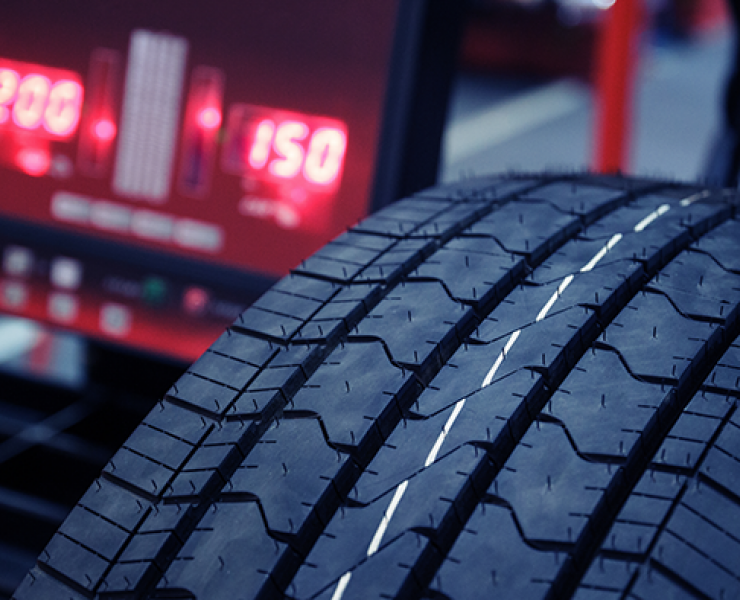
When your wheels are perfectly balanced, you can expect a smoother, safer driving experience. In contrast, unbalanced wheels can lead to a wide range of issues, from annoying vibrations to increased tyre wear and reduced fuel efficiency. Even so, wheel balancing is one of the most overlooked aspects of vehicle maintenance.
At First Stop, we specialise in expert wheel balancing services that enhance your vehicle's performance and safety. Whether you're noticing the telltale signs of imbalance or simply keeping up with regular maintenance, our team is here to provide professional, efficient service. Discover the difference well-balanced wheels can make for your journey.

Find your nearest wheel balancing centre
Tyres are what we do best here at First Stop, and that includes comprehensive wheel balancing services. Use our store locator to find your nearest First Stop and let’s get started.
Understanding wheel balance for safety and performance
Wheel balancing involves adjusting the distribution of weight around a vehicle's wheels. Properly balanced wheels are essential for vehicle stability, ensuring even tyre wear and maximising fuel efficiency. This balance is especially important after installing new tyres, a tyre rotation, or puncture repair. At First Stop, our expert wheel balancing services are designed to enhance your vehicle's safety and performance, ensuring a comfortable and efficient driving experience.
Wheel balancing is an essential part of vehicle maintenance
Wheel balancing is a vital aspect of vehicle maintenance because it directly impacts the safety, efficiency, and comfort of your driving experience. Here are key reasons why wheel balancing is essential:
- Even tyre wear: Balanced wheels distribute weight evenly across the tyres, preventing uneven wear and extending tyre life.
- Improved fuel efficiency: Properly balanced wheels reduce rolling resistance, leading to better fuel economy.
- Enhanced driving comfort: Balancing minimises vibrations felt through the steering wheel and cabin, ensuring a smoother ride.
- Increased safety: Balanced wheels contribute to better handling and stability, particularly at higher speeds, enhancing overall safety.
- Cost savings: Regular wheel balancing helps avoid premature tyre replacements and reduces the likelihood of costly repairs due to uneven tyre wear.
Understanding and maintaining the balance of your wheels is crucial for the optimal performance of your vehicle. At First Stop, we provide expert wheel balancing services to keep your vehicle running smoothly and safely.
Symptoms of unbalanced wheels
Identifying the symptoms of unbalanced wheels is a great way to pinpoint and address minor issues before they lead to more significant problems. Some of the most noticeable signs that indicate a need for wheel balancing include:
- Vibrations: One of the most obvious symptoms is a noticeable vibration in the steering wheel, seat, or floorboard, especially at higher speeds. This can be quite distinct and often increases with the speed of the vehicle.
- Steering difficulties: Unbalanced wheels can cause the steering to feel off or less responsive. You might notice that the vehicle pulls to one side, making it harder to maintain a straight course.
- Strange noises: Listen for unusual noises coming from your tyres. A rhythmic thumping or whirring sound that changes with vehicle speed can be a telltale sign of imbalance.
If you notice any of these symptoms, it’s important to have your wheels checked and balanced promptly. At First Stop, our technicians are equipped to quickly diagnose and correct any imbalances, ensuring a safe and comfortable drive.
How much does wheel balancing cost?
Affordable wheel balancing pricing is all part of the high-value experience you can expect at your local First Stop centre. The exact cost of wheel balancing varies depending on the type of vehicle and the number of wheels that need balancing. Remember that balancing leads to long-term savings in fuel efficiency and tyre maintenance, making it one of the most cost-effective aspects of car servicing. Regular balancing also extends the life of your tyres, ultimately saving you money on premature replacements.
Locating wheel balancing services
Finding wheel balance services near you is straightforward with First Stop. Our centres are equipped to handle all types of tyres, including summer tyres, winter tyres, all-season tyres, 4x4 tyres, and run-flat tyres. Our technicians are experts in identifying and correcting imbalances, ensuring your vehicle operates safely and efficiently.
Maintain your balance at First Stop
At First Stop, we understand the importance of properly balanced wheels for every vehicle's performance and safety. With expert wheel balancing services, we can ensure that your driving experience is smooth, safe, and fuel-efficient. Trust us to provide quality service that maximises fuel efficiency with proper wheel balance.
For more information on our comprehensive tyre services, start by learning more about our vast range of high-quality tyres from the leading tyre brands.
WHEEL BALANCING FAQs
IF WE DRIVE WITH THE SPARE WHEEL, AND DECIDE TO CONTINUE WITH THIS, SHOULD WE BALANCE THE REPLACEMENT WHEEL?
Whenever a wheel is replaced, for any reason whatever, we have to balance it to ensure that it is correctly adjusted and avoid any annoying or dangerous imbalance when driving.